5 Nov 2026
Player Data Patterns Linking Game Return Percentages to Promotional Credit Availability Across Licensed Continental European Digital Gaming Venues
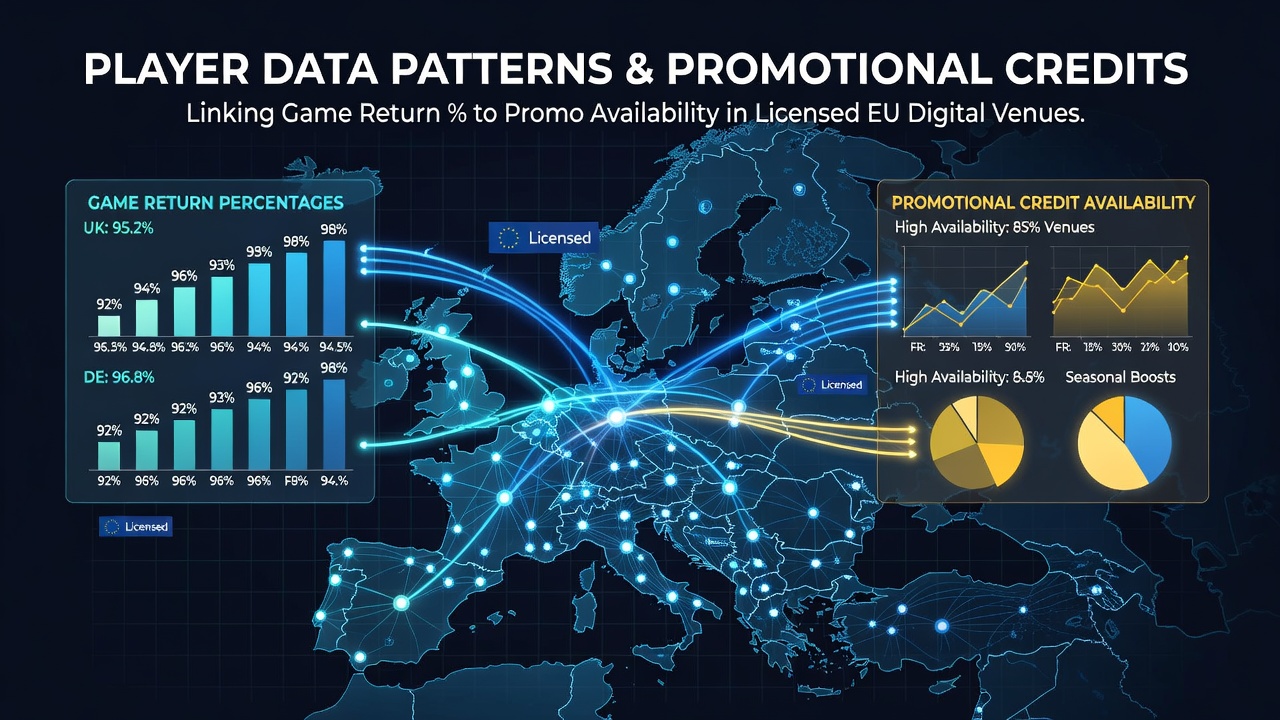
Analysts tracking licensed digital gaming operations across continental Europe have identified recurring patterns in how game return percentages connect to the distribution of promotional credits, with datasets drawn from operators in Germany, France, Spain, Italy, and the Netherlands revealing measurable correlations that shape both availability and redemption rates. These observations come from aggregated player activity logs compiled through regulatory reporting channels, where return-to-player figures often align with the frequency and scale of bonus allocations issued to account holders.
Core Metrics in Licensed Markets
Return percentages in slots and table games typically range between 94 and 98 percent within regulated environments, yet the data shows that venues maintaining averages above 96.5 percent frequently restrict promotional credit pools to narrower eligibility windows. Operators achieve this balance by tying credit issuance to specific game categories, and researchers note that lower-RTP titles receive heavier promotional support during peak activity periods. This linkage emerges consistently in monthly compliance filings submitted to national authorities.
Regional Data Variations
In Germany, where the GGL oversees licensing, patterns indicate that games with RTP below 95 percent attract larger initial credit grants, while higher-return titles see credits distributed more selectively after deposit thresholds are met. French operators under ARJEL guidelines display similar trends, though credit caps appear tighter during high-volume months. Spanish and Italian datasets further illustrate that promotional availability contracts when overall platform RTP climbs, creating a stabilizing effect on net player expenditure across sessions.
November 2026 records from multiple jurisdictions highlight an uptick in cross-border player migration toward platforms offering balanced RTP-promotion combinations, particularly after regulatory updates took effect in the preceding quarter. Those who've examined the logs point to increased credit redemption on mid-range RTP games, where percentages sit near 95.8 percent, suggesting operators use these titles as retention anchors.
Analytical Approaches and Findings
Statistical models applied to anonymized transaction streams demonstrate that promotional credit uptake rises when RTP variance stays moderate, whereas extreme high-RTP environments coincide with reduced bonus volume. Industry organizations such as the European Gaming and Betting Association have published summaries confirming these directional links, drawing from operator-submitted metrics across several member states. Academic reviews from institutions in the Netherlands have corroborated the same relationships through longitudinal studies covering 2024 through late 2026.
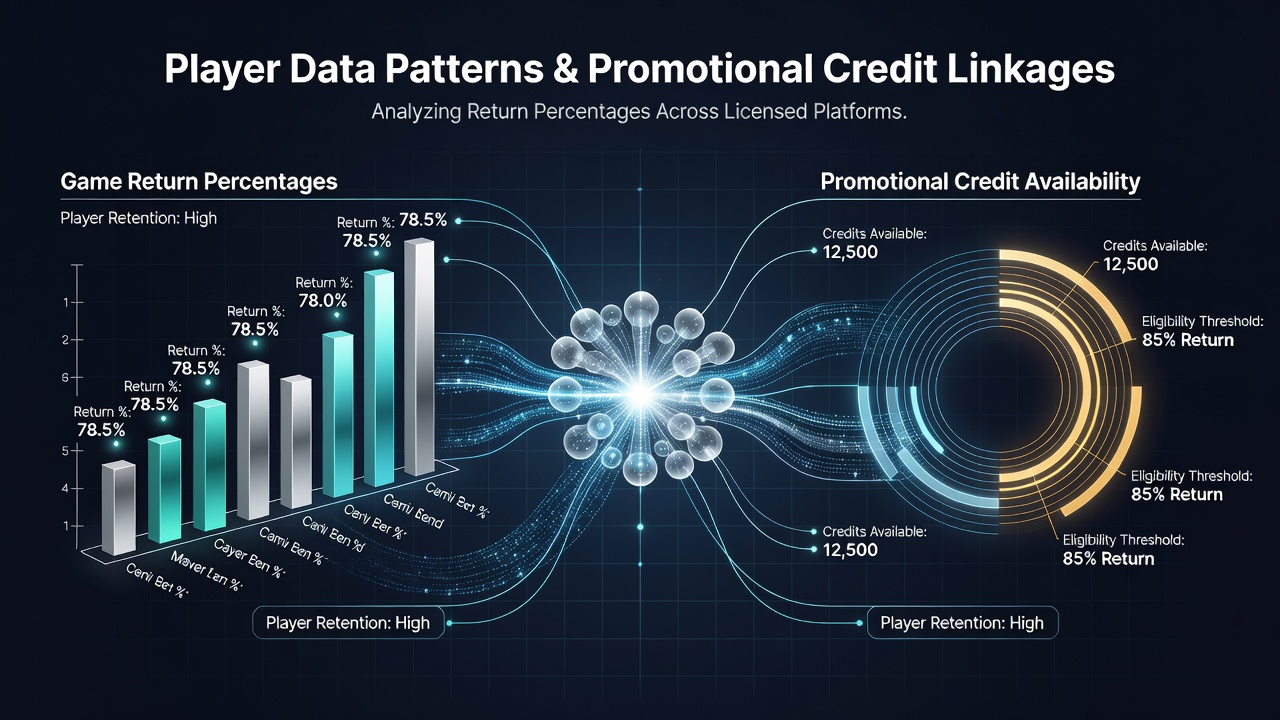
One dataset compiled by regulatory analysts revealed that players engaging primarily with 97 percent RTP titles accessed promotional credits at roughly 40 percent lower rates than those favoring titles around 95 percent, while total session lengths remained comparable. This pattern holds after controlling for deposit size and account tenure, indicating the relationship stems from platform-level allocation rules rather than individual preference alone.
Regulatory Influence on Patterns
National frameworks impose reporting standards that make these linkages visible, requiring operators to document both RTP disclosures and promotional structures in unified returns. The result is greater transparency around how credit availability adjusts in response to aggregate return figures. Observers note that platforms operating under stricter transparency mandates tend to show tighter clustering between RTP bands and credit tiers, reducing the scope for arbitrary distribution.
Cross-jurisdictional comparisons further indicate that venues in markets with unified RTP minimums experience steadier promotional flows, whereas fragmented rules allow more pronounced swings in credit issuance tied to game performance data. A report issued by the French Observatory of Gambling detailed similar dynamics in its 2025 annual review, underscoring consistency across borders.
Player Behavior Correlations
Behavioral metrics extracted from session data show that promotional credit redemption concentrates on games whose RTP sits within a narrow band relative to the platform average, creating feedback loops that influence future game selection. Accounts receiving credits for higher-RTP options often transition toward lower-variance titles in subsequent activity, while the reverse pattern appears less frequently. These shifts register clearly in heat-map analyses of play sequences.
Evidence from multiple operators suggests the linkage affects retention curves, with players exposed to aligned RTP-credit pairings demonstrating extended engagement windows before credit exhaustion. Regulatory filings from November 2026 reflect sustained activity levels in this segment despite broader market fluctuations.
Conclusion
Patterns extracted from licensed continental European gaming data continue to illustrate a functional relationship between game return percentages and promotional credit structures, with regulatory reporting providing the foundation for ongoing observation. As datasets expand through 2026 and beyond, these connections offer measurable insights into platform operations across the region, supported by contributions from bodies such as the United Nations Office on Drugs and Crime gaming-related research streams that place European figures in wider international context.