22 Oct 2026
The Interplay of Deposit Thresholds and Progressive Prize Access in Swiss Reel Networks
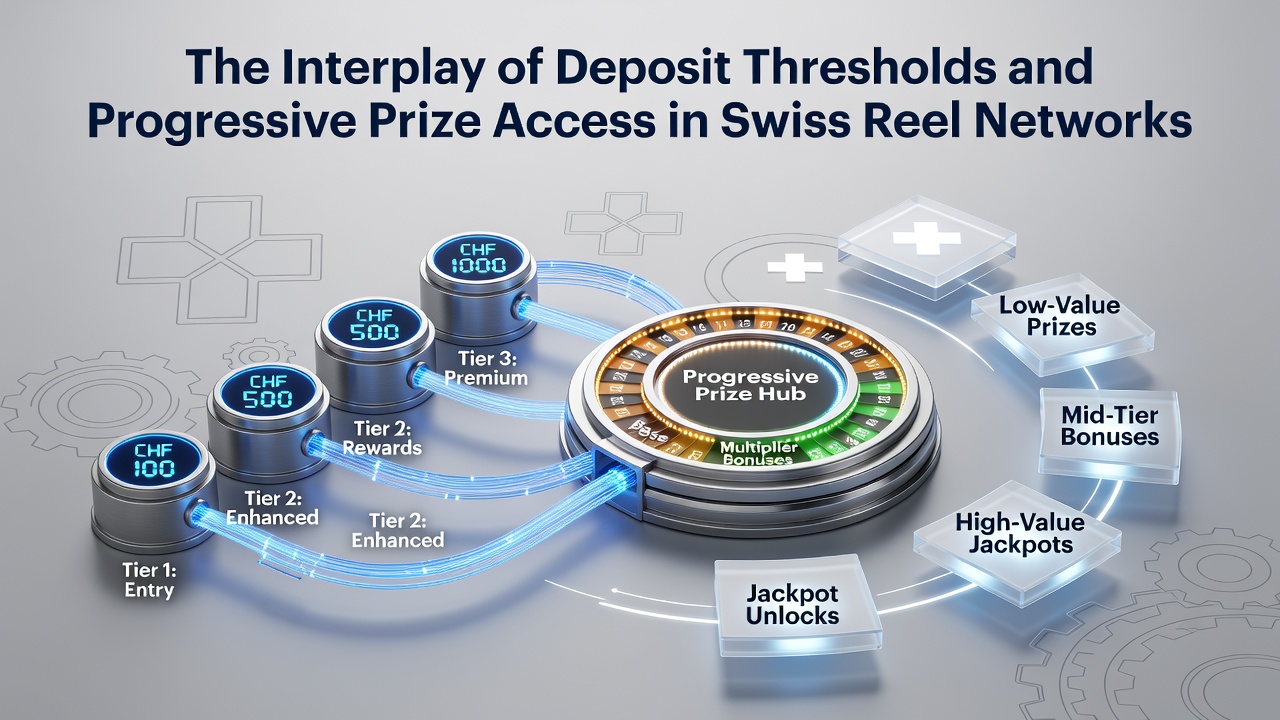
Swiss reel networks operate under strict licensing frameworks that tie deposit thresholds directly to eligibility for progressive prize pools, creating layered access structures across multiple operators and shared jackpot systems. These thresholds establish minimum funding levels that players must meet before they can participate in escalating prize tiers, and data from regulatory filings shows clear correlations between deposit minimums and jackpot contribution rates.
Deposit Threshold Mechanics in Regulated Swiss Platforms
Operators licensed under the Federal Act on Gambling enforce deposit thresholds that range from modest entry points to higher barriers designed for premium progressive access, and these rules emerged from compliance requirements that took effect after the 2019 market restructuring. Thresholds determine not only bonus eligibility but also the rate at which player contributions feed into networked progressive meters, while lower deposits often route participants into separate prize categories with capped growth potential.
Research from European gaming oversight bodies indicates that platforms adjust these thresholds quarterly to balance player retention against jackpot sustainability, and figures reveal that networks with staggered deposit requirements maintain higher overall contribution volumes across their progressive systems. One operator in the Swiss market implemented a tiered deposit model in early 2026 that unlocked incremental jackpot shares at each funding level, resulting in measurable shifts in prize pool accumulation patterns.
Progressive Prize Structures Across Reel Networks
Progressive prizes in Swiss reel networks aggregate contributions from multiple licensed sites into centralized pools that grow until triggered, and access to these pools depends on meeting specific deposit and play criteria set by the network administrator. Higher thresholds typically grant entry to faster-growing meters that draw from broader player bases, whereas lower thresholds feed into localized or secondary progressives with slower accumulation rates.
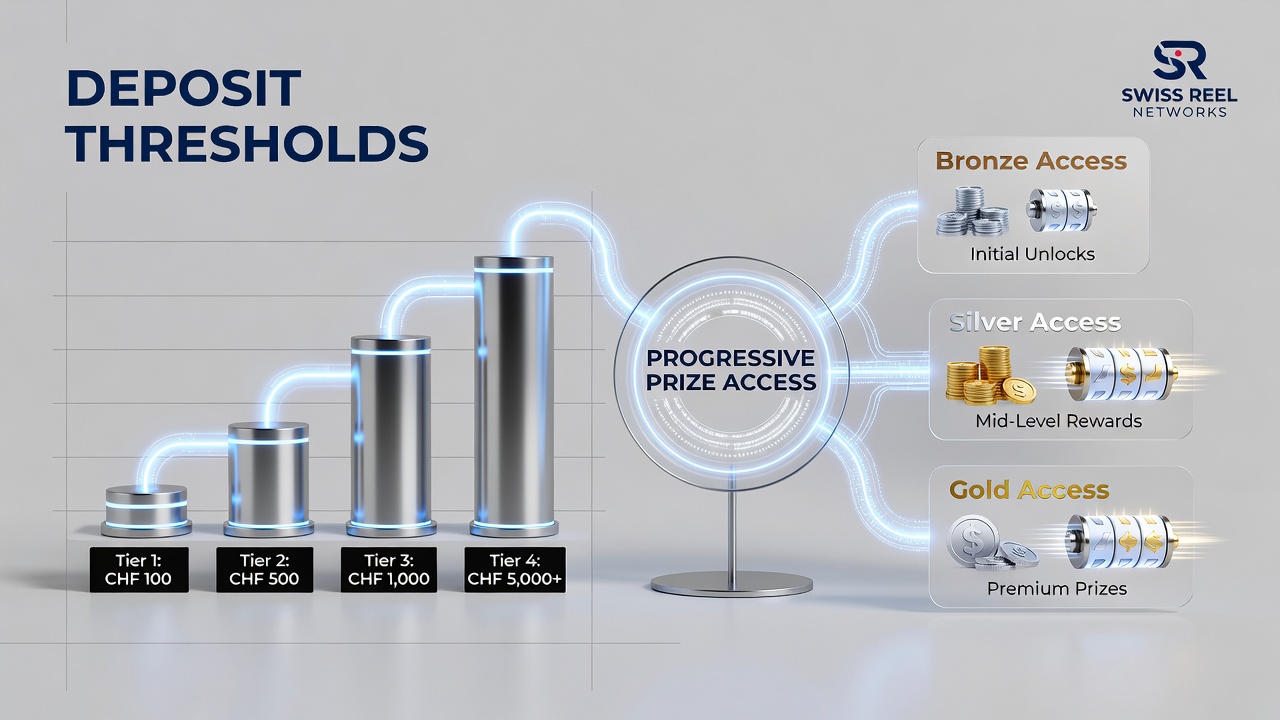
Studies conducted by research institutions in Canada and Australia demonstrate that deposit-linked access models influence both prize frequency and average payout sizes, while Swiss implementations add an additional regulatory overlay that caps maximum contributions per player based on verified deposit history. Observers note that October 2026 data releases from Swiss gaming authorities highlighted increased jackpot activity in networks where thresholds aligned closely with regional player deposit averages.
How Thresholds Shape Prize Access Patterns
The connection between deposit thresholds and progressive access creates distinct player pathways within Swiss reel networks, and operators use these pathways to segment participation across different jackpot tiers. Players who clear higher deposit hurdles gain eligibility for multiple progressive levels simultaneously, whereas those operating under lower thresholds encounter restrictions that limit their exposure to top-tier pools.
Industry reports from gaming associations across North America and Europe show that such segmentation affects overall network stability by distributing contribution loads more evenly, and Swiss platforms have adopted similar segmentation techniques to comply with local licensing conditions. Take one network administrator who adjusted deposit thresholds upward in mid-2026, which redirected a portion of player traffic toward mid-tier progressives and produced steadier growth across secondary prize meters.
Regulatory Influences on Threshold and Prize Integration
Swiss regulatory bodies require operators to document how deposit thresholds interact with progressive prize eligibility, and these documentation standards ensure transparency in how player funds contribute to shared jackpots. Compliance audits examine the alignment between minimum deposit amounts and the proportion of those deposits allocated to progressive meters, while non-compliance can trigger adjustments to threshold structures.
Data compiled by academic research teams at institutions in the EU and Australia reveals that jurisdictions with integrated threshold and prize rules experience fewer disputes over jackpot eligibility, and Swiss frameworks incorporate elements from these international models to maintain consistency. In October 2026, updated guidance from federal oversight entities clarified reporting requirements for networks that link deposit levels to prize access, prompting several operators to revise their internal policies accordingly.
Observed Outcomes in Swiss Reel Networks
Networks that calibrate deposit thresholds carefully demonstrate more predictable progressive prize cycles, and longitudinal data collected since 2024 shows reduced volatility in jackpot triggers when thresholds match typical player funding behaviors. Cross-border player activity adds complexity because Swiss rules apply uniformly regardless of participant origin, creating uniform access conditions across the licensed ecosystem.
One documented case involved a multi-site Swiss network that lowered entry thresholds for secondary progressives while maintaining higher bars for primary meters, and subsequent tracking indicated improved contribution rates from a wider player segment without diluting the main prize pools. Such adjustments reflect ongoing efforts to balance accessibility with the integrity of progressive systems under regulatory scrutiny.
Conclusion
Deposit thresholds and progressive prize access remain tightly coupled elements within Swiss reel networks, and ongoing regulatory refinements continue to shape how these components interact across licensed platforms. Information from October 2026 onward will likely provide further clarity on long-term effects as operators adapt their structures to evolving compliance expectations and player patterns.